Septic System Relocation in Denver, CO
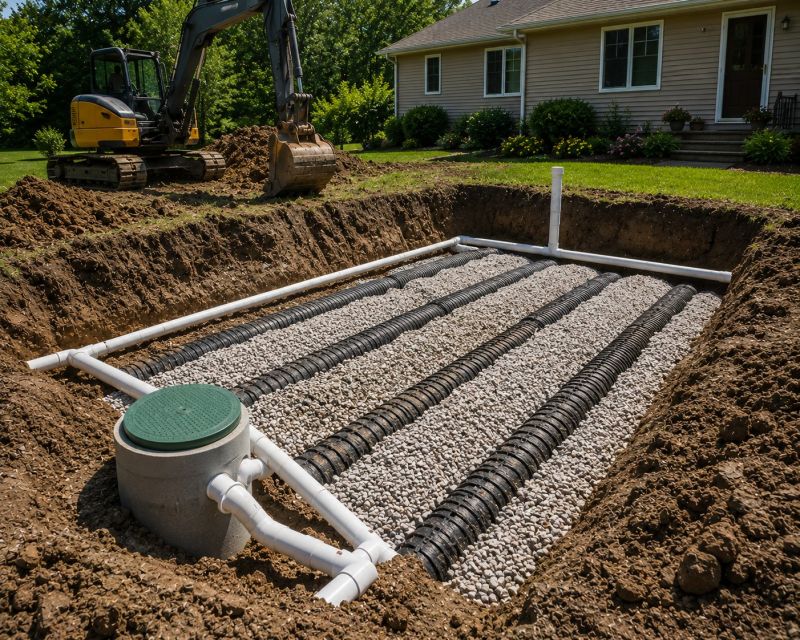
Septic system relocation services involve moving an existing septic tank and associated components to a different area of a property. This service is often requested during property renovations, expansions, or when the current system no longer functions effectively due to changes in land use or property layout. Projects can include shifting the septic tank to accommodate new construction, improving system performance, or ensuring compliance with local regulations. Homeowners considering a relocation should understand the importance of site assessment, soil conditions, and proper planning to ensure the new installation meets all necessary standards and functions reliably.
Before requesting septic system relocation, property owners typically want to know about the feasibility of moving the existing system, including any limitations posed by the land or local codes. It’s also helpful to understand the scope of work involved, such as excavation, permits, and potential impact on property use during the process. Clarifying these details can help ensure the project proceeds smoothly and that the new system provides long-term functionality and compliance with health and safety requirements.
Many property owners in Denver, CO look into Septic System Relocation for repairs, replacements, upgrades, and appearance-related improvements.
Septic System Relocation Overview
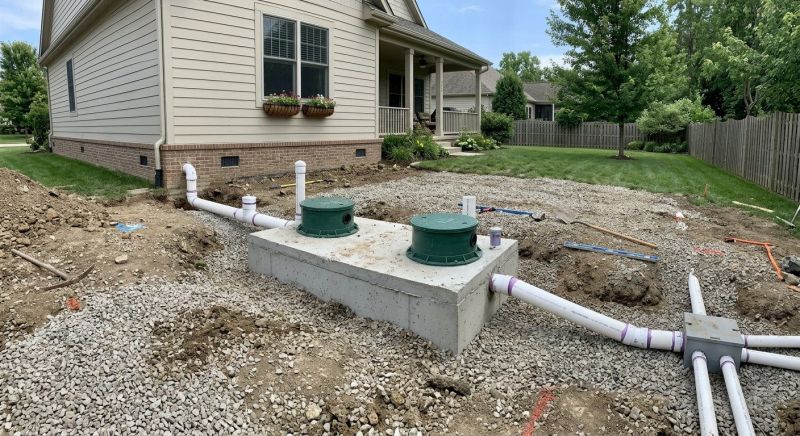
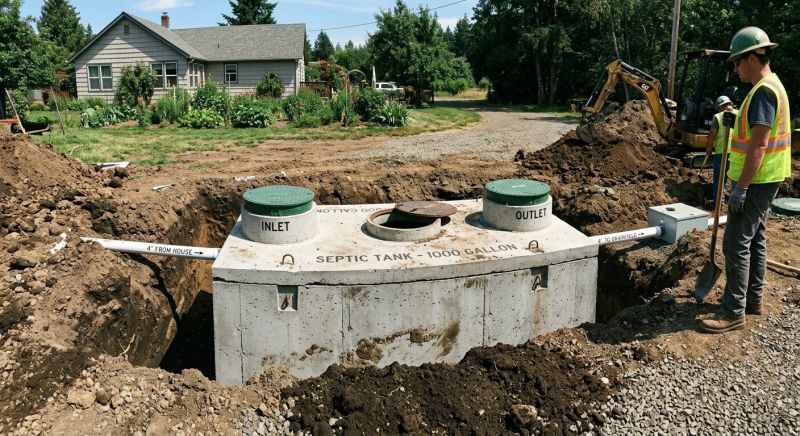
This service involves moving an existing septic system to a new location on your property.
Common Reasons For Relocation
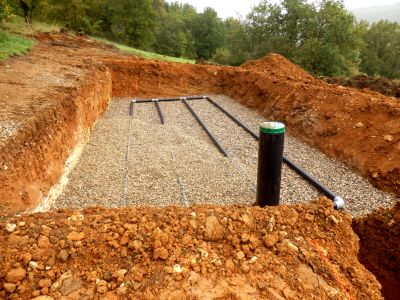
Property owners may need to relocate septic systems due to construction, property expansion, or system failure.
Key Considerations For Property Owners
Proper planning ensures compliance with local regulations and minimizes disruption during the relocation process.
Septic System Relocation in Denver, CO

Septic system relocation services involve moving an existing septic tank and associated components to a different area of a property. This service is often requested during property renovations, expansions, or when the current system no longer functions effectively due to changes in land use or property layout. Projects can include shifting the septic tank to accommodate new construction, improving system performance, or ensuring compliance with local regulations. Homeowners considering a relocation should understand the importance of site assessment, soil conditions, and proper planning to ensure the new installation meets all necessary standards and functions reliably.
Before requesting septic system relocation, property owners typically want to know about the feasibility of moving the existing system, including any limitations posed by the land or local codes. It’s also helpful to understand the scope of work involved, such as excavation, permits, and potential impact on property use during the process. Clarifying these details can help ensure the project proceeds smoothly and that the new system provides long-term functionality and compliance with health and safety requirements.
Many property owners in Denver, CO look into Septic System Relocation for repairs, replacements, upgrades, and appearance-related improvements.
Common Septic System Relocation Jobs
Septic System Relocation - services involve moving an existing septic system to a new location on the property.
Property Expansion - projects include relocating septic systems to accommodate additions or new structures.
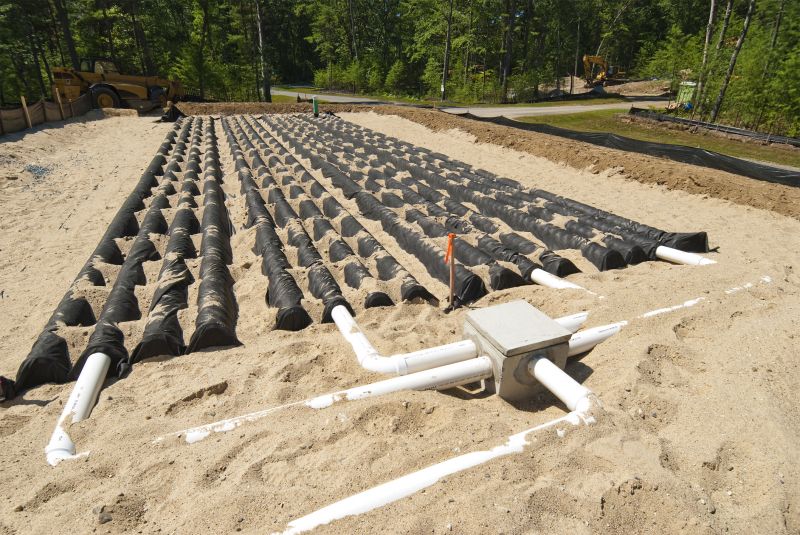
Drainfield Adjustment - work involves shifting the drainfield to optimize system performance and compliance.
Site Renovation - includes septic system relocation during landscaping or property upgrades.
Flood Prevention - services may involve moving septic components away from flood-prone areas.
Environmental Compliance - ensures the septic system is positioned to meet local health and safety regulations.
Septic System Relocation Questions
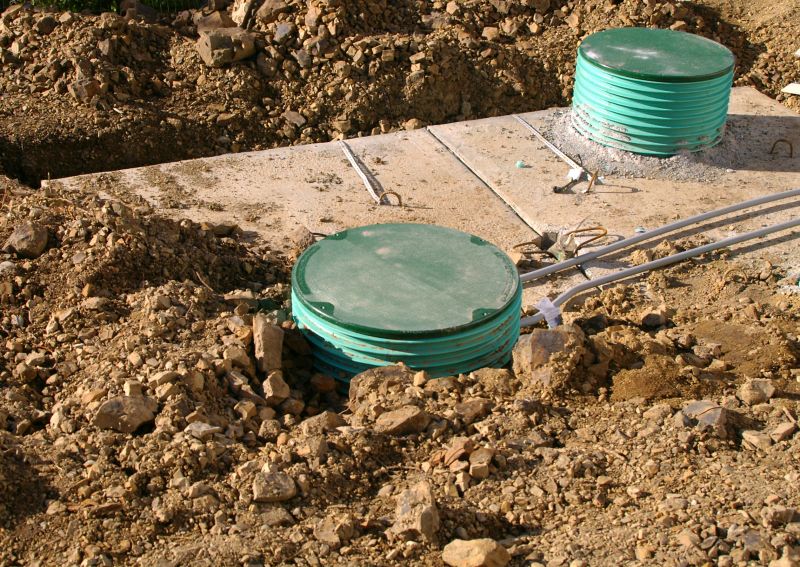
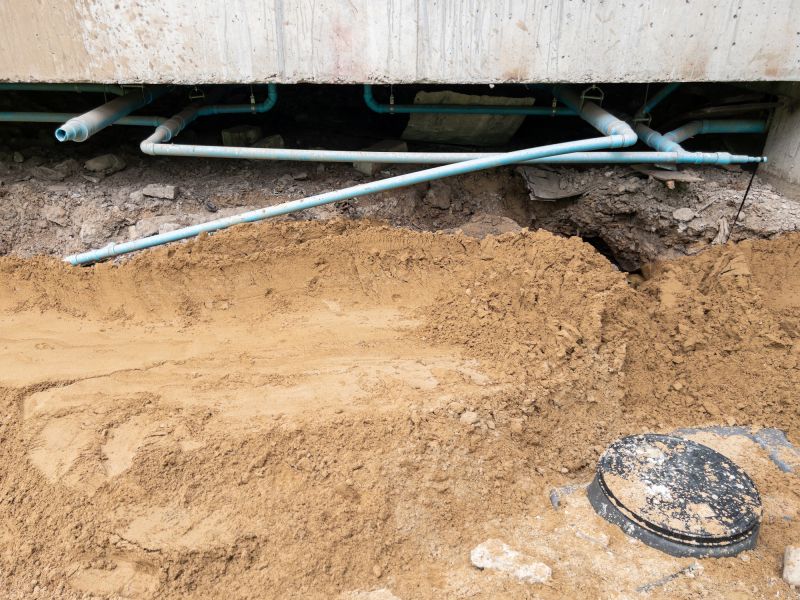
What is septic system relocation? It involves moving an existing septic system to a new location on the property to accommodate construction or land changes.
When is septic system relocation needed? It is often required when building new structures, expanding existing ones, or when the current system no longer functions properly in its location.
What should property owners consider before relocating a septic system? It’s important to evaluate soil conditions, access points, and distance from wells or water sources to ensure proper placement and compliance.
How does the process typically work? A site assessment is performed, the new system location is planned, and the existing system is carefully disconnected and installed in the new site following local regulations.
Request Septic System Relocation in Denver, CO
Use the quote form on this page to share the basics of your project and request more information for the type of work you need.